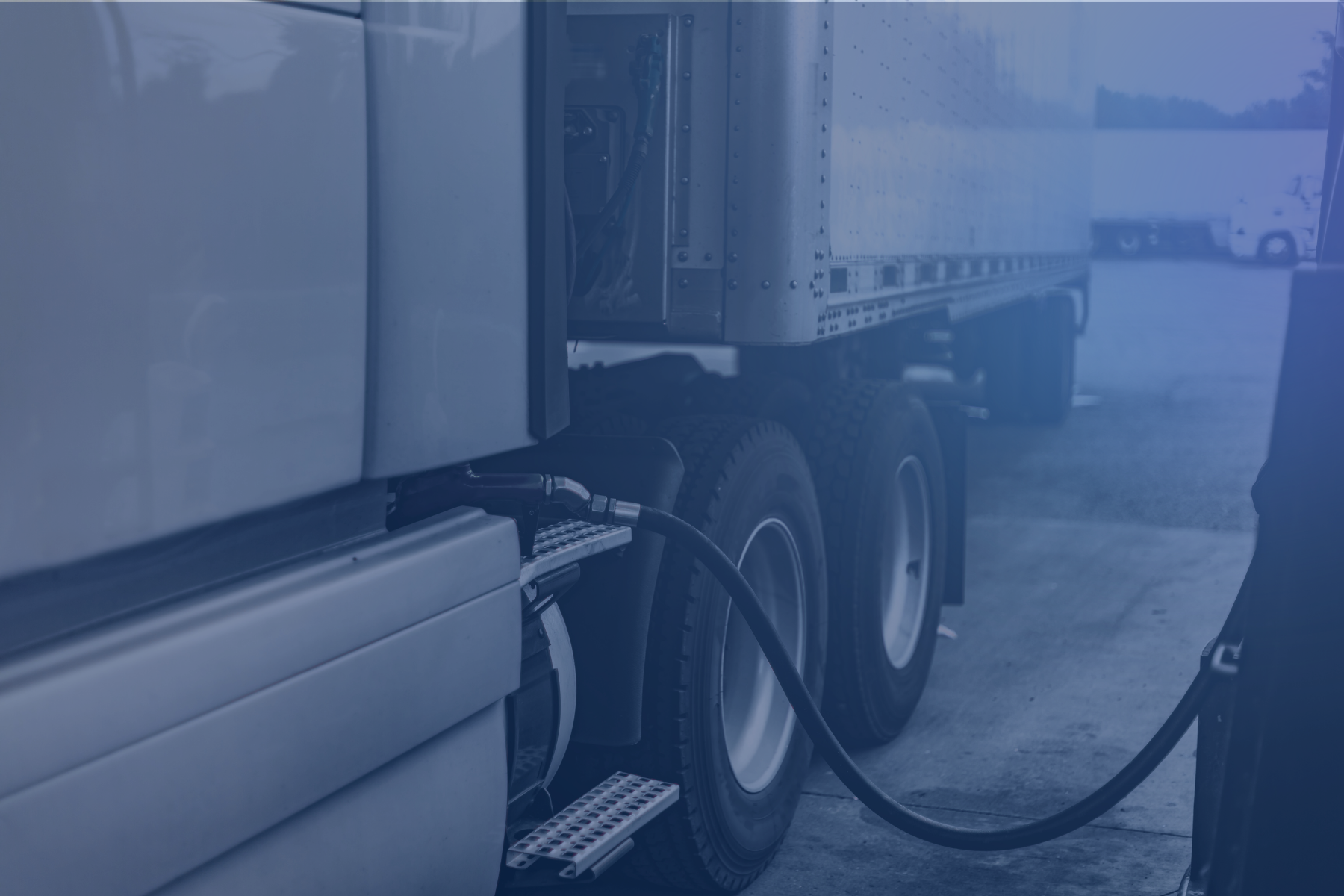
The Australian transport and logistics landscape has shifted dramatically over the past 14 days. As global geopolitical tensions escalate, the industry is facing a dual challenge of skyrocketing diesel prices and localised supply shortages. For businesses in the transport sector, staying informed is no longer just about budgeting, but about operational resilience.
What Started the Crisis?
The current crisis was triggered in early March 2026 by a significant escalation in the Middle East conflict, specifically involving Iran and the U.S.
- The Choke Point: The effective closure of the Strait of Hormuz—a critical maritime artery for 20% of global oil—has created an immediate global supply shock ¹.
- Panic Buying: While national fuel stocks remain secure, a surge in demand—driven by "panic buying" at 4 to 5 times usual volumes—has placed immense pressure on domestic distribution ².
The Impact:
The financial impact on the transport industry has been immediate:
- Price Spikes: Average petrol and diesel prices have jumped from approximately $1.80 to over $2.20–$2.45 per litre in just two weeks ³.
- Regional Shortages: While ports and major city supplies remain strong, regional areas (particularly in NSW, WA, and QLD) have reported "dry" pumps as distribution networks struggle to keep up with the spike in demand ⁴.
Government Actions: What’s Being Done?
In response to the crisis, the Federal and State governments have taken the following emergency measures:
1. Release of Strategic Reserves
The Federal Government has authorized the release of roughly 762–800 million litres of petrol and diesel from domestic reserves (approximately 20% of the national stockholding obligation) to address regional shortages ⁵.
2. Relaxing Fuel Standards
To increase supply, the government has temporarily relaxed fuel quality standards (sulfur limits) for 60 days. This allows roughly 100 million litres per month of Australian-made fuel, normally destined for export, to stay onshore for domestic use ⁶.
3. ACCC "Price Gouging" Investigation
The ACCC has launched an urgent investigation into major fuel retailers and wholesalers. Following emergency meetings in Sydney and Melbourne, the watchdog is examining why retail prices spiked so much faster than international benchmark prices ⁷.
4. State-Level Logistics Support
- NSW: The state government is using its FuelCheck app to help drivers identify which stations actually have stock, not just the best price ⁴.
- WA: The government has established a Fuel Industry Operational Group to triage fuel delivery to critical agricultural regions like the Great Southern and Wheatbelt ahead of the winter sowing season ⁸.
What’s Next for the Transport Industry?
National Cabinet has reiterated that while supply is currently secure, the industry must prepare for a "long-tail" impact if the Middle East conflict continues ². For transport operators, the focus remains on maintaining transparency with clients regarding surcharges and utilising real-time data to manage fuel efficiency.
Citations & References
- Maritime Union of Australia: Fuel Insecurity Exposed by Global Conflict
- Prime Minister of Australia: National Cabinet Media Statement (19 March 2026)
- WhichCar: ACCC Warns Fuel Retailers as Petrol Prices Surge
- Australian Rural & Regional News: Panic Buying Impacts Regional Stocks
- CommBank Newsroom: Fuel Reserves Released to Steady Supply
- Energy.gov.au: Securing Australia’s Fuel Supply
- ACCC: Consumer Impacts and Regional Supply Issues at Emergency Meeting
- Parliament of Western Australia: Hansard - Fuel Supply Security (18 March 2026)